7 Signs Your Septic Tank Is Full (And What to Do Next)
If your home isn't connected to the mains sewerage network, your septic tank plays an essential role in managing wastewater from your toilets, sinks, showers and other household facilities.
But how do you know when your septic tank needs emptying?
A full septic tank doesn't always give you an obvious warning. In fact, septic tanks normally contain liquid as part of their operation. The real concern is when accumulated sludge and scum need removing, wastewater stops flowing properly or the drainage system develops a problem.
At Aston Tank Services, we have over 25 years' experience providing septic tank emptying services for domestic and commercial properties across Cheshire, Staffordshire and Shropshire.
Here are seven warning signs worth looking out for, what they might mean and when to arrange professional assistance.
1. Your Toilets, Sinks or Showers Are Draining Slowly
Have you noticed that your toilet takes longer to flush, your shower drains slowly or water sits in your kitchen sink?
Slow drainage can be an early indication that something isn't working properly within your wastewater system.
If several drains throughout the property are affected, the problem could be connected to your septic tank, the pipework or the drainage field.
What to do: Check whether the problem affects one fixture or several. If slow drainage persists, arrange professional advice rather than assuming the tank simply needs emptying.
2. There's an Unpleasant Sewage Smell Around Your Property
A properly functioning septic system shouldn't normally produce persistent, noticeable sewage smells around your home or garden.
Unpleasant odours may occur near:
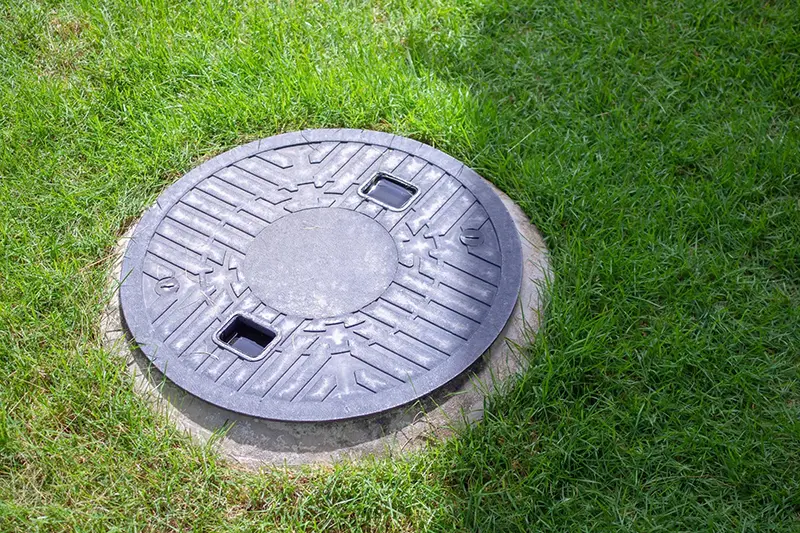
The septic tank cover
Drainage pipes and inspection chambers
The drainage field
Toilets, sinks or other internal drains
Persistent smells can indicate a problem with the tank, pipework, ventilation or drainage system.
What to do: Avoid opening the tank or attempting to investigate inside it yourself. Septic tanks can contain dangerous gases and present serious safety risks. Contact an appropriate professional to identify the cause.
3. You Can Hear Gurgling Noises From Your Drains
Unusual bubbling or gurgling noises from toilets, sinks or drainage pipes can be another indication that wastewater isn't flowing as expected.
These noises can result from restricted flow, trapped air or problems within the drainage system.
Although a septic tank requiring attention is one possible explanation, gurgling alone doesn't prove the tank needs emptying.
What to do: Pay attention to whether the noises are accompanied by slow drains, unpleasant smells or other warning signs. If the problem continues, arrange an inspection.
4. Wastewater Is Backing Up Into Your Home
Wastewater backing up into toilets, baths, showers or floor drains is a more serious warning sign.
It can indicate a blockage, an overloaded system or a failure somewhere in the wastewater drainage network.
Sewage backing up into your home can expose occupants to harmful microorganisms and cause property damage.
What to do:
Reduce or stop unnecessary water use.
Keep children and pets away from affected areas.
Avoid contact with sewage.
Don't attempt to enter or work inside the septic tank.
Seek professional assistance promptly.
Tank emptying may be appropriate in some circumstances, but a blockage or drainage-field problem may require additional investigation.
5. The Ground Around Your Septic System Is Unusually Wet
Have you noticed persistent soggy patches, standing water or unusually damp ground near your septic tank or drainage field?
This may indicate that wastewater isn't dispersing properly.
However, wet ground can also result from heavy rainfall, poor natural drainage or other causes.
What to do: Avoid walking over or disturbing suspected wastewater-contaminated ground. If the wet area persists or is accompanied by sewage smells, seek professional advice.
Simply emptying the tank won't necessarily repair a failing drainage field.
6. Grass Around the Drainage Field Looks Unusually Green or Lush
A noticeable strip or patch of unusually vigorous grass growth around the drainage field may sometimes be associated with wastewater movement below ground.
On its own, greener grass isn't proof of a septic system problem. Soil conditions, moisture and fertiliser can produce similar results.
However, if you also notice wet ground, odours or slow drainage, it's worth having the system assessed.
What to do: Look for a combination of symptoms rather than relying on grass colour alone.
7. You Can't Remember When Your Septic Tank Was Last Emptied
One of the simplest signs that your tank may need attention is an overdue emptying or inspection.
Over time, solid waste settles at the bottom of a septic tank as sludge, while fats and other materials can form a scum layer near the surface.
These materials accumulate and need removing periodically to prevent them from interfering with the system.
The appropriate emptying frequency depends on factors such as:
Tank capacity and design
Number of people using the property
Water consumption
Sludge and scum accumulation
Manufacturer instructions
Previous maintenance history
What to do: If you're unsure when the tank was last emptied, arrange a professional assessment and establish a suitable maintenance schedule.
Does a Full Septic Tank Always Need Emptying?
Not necessarily.
A septic tank normally contains wastewater at its operating level. This doesn't mean the tank is overdue for emptying.
The important question is whether the sludge and scum have accumulated sufficiently to require removal, or whether the system has developed another problem.
Regular desludging helps protect the tank and drainage system, but it won't resolve every issue associated with slow drains, sewage smells or wastewater backing up.
If you're experiencing persistent problems, the cause should be identified rather than assuming emptying alone will fix it.
How Often Should a Septic Tank Be Emptied?
As a general rule, septic tanks should be desludged regularly, with the interval determined by the system's requirements.
In England, the Environment Agency's general binding rules state that sludge must be removed from septic tanks and small sewage treatment plants before it exceeds the maximum capacity of the system, at least once a year or in line with the manufacturer's instructions.
The precise servicing requirements can vary between systems.
If you aren't sure what your tank needs, Aston Tank Services can discuss your emptying requirements and help you arrange an appropriate service.
Regular tank emptying is only one part of looking after your wastewater system. For more practical advice on keeping your system in good working order, read our Septic Tank and Cesspit Maintenance Guide.
What Happens If You Don't Empty Your Septic Tank?
Allowing excessive sludge to accumulate can reduce the tank's effective working capacity and increase the risk of solids passing into parts of the drainage system where they don't belong.
Potential consequences include:
Reduced system performance
Unpleasant odours
Blocked pipework
Wastewater backing up
Damage to the drainage field
More expensive maintenance or repairs
Routine emptying is generally preferable to waiting until a significant problem develops.
How Much Does Septic Tank Emptying Cost?
The cost of septic tank emptying can depend on several factors, including tank capacity, the volume and type of waste being removed, vehicle access and the property's location.
For an explanation of what affects pricing, read our guide to septic tank emptying costs.
For an individual quotation, it's useful to have your property's postcode, tank type, approximate capacity and access details available.
Septic Tank Emptying Across Cheshire, Staffordshire and Shropshire
Aston Tank Services provides septic tank emptying for homes and businesses across Cheshire, Staffordshire and Shropshire.
Based near Nantwich, we serve locations including Crewe, Whitchurch, Sandbach, Malpas and Congleton, along with other areas within our service coverage.
Whether you're arranging routine emptying or concerned about the condition of your wastewater system, we're here to discuss your requirements.
Find out more about our septic tank emptying services or explore the areas we cover.
Need Your Septic Tank Emptied? Contact Aston Tank Services
If your septic tank is due for emptying, or you're unsure when it was last desludged, contact Aston Tank Services to discuss your requirements.
With over 25 years' experience, we provide tank emptying services for domestic and commercial customers across Cheshire, Staffordshire and Shropshire.
Request a quote:
Alternatively, contact Aston Tank Services to discuss your requirements.
Important: This article provides general guidance. Persistent drainage problems, sewage backing up or wastewater escaping onto land may require professional investigation and should not be assumed to be resolved by tank emptying alone.
